
Even with all of my years of experience, this article took forever to compile the best selection of small submersible pumps. I hope that the effort I went to on your behalf makes your pump selection an easy one.
Let’s dive into the world of small submersible water pumps—a vital tool for anyone needing efficient water transfer. Whether you’re draining an aquarium or pool, maintaining a lush garden, safeguarding your basement from floods, or managing industrial operations, these compact powerhouses are here to save the day.
In this guide, we’ll explore everything you need to know about small submersible water pumps—from their functionality to choosing the right one for your needs and glimpses into the future of pump technology.
Overall, small submersible water pumps offer versatility, efficiency, and convenience for various residential, commercial, and industrial applications where water transfer, drainage, or circulation is required.
Whether it’s preventing basement flooding, maintaining garden irrigation, or ensuring proper water circulation in aquariums, these pumps play a crucial role in managing water effectively and efficiently.
Table of Contents
Quick Tips for Choosing Small Submersible Water Pumps

Assess Your Needs:
Understanding your specific requirements, whether it’s for residential or industrial use, is crucial. Whether you’re irrigating a garden or managing water on a construction site, clarity on your needs ensures the right fit.
People need small submersible water pumps for various reasons, including:
Water Transfer: Small submersible water pumps are commonly used for transferring water from one location to another. This could involve draining water from flooded areas, transferring water between containers, or distributing water for irrigation purposes.
Basement Flooding Prevention: In areas prone to flooding or high-water tables, small submersible pumps are essential for preventing basement flooding. These pumps can remove excess water from basements, crawl spaces, or sump pits, helping to protect homes from water damage.
Need a sump pump for your basement draintile system? Read my review of the Zoeller M63 sump pump.
Garden and Lawn Irrigation: Gardeners and landscapers use small submersible water pumps to irrigate gardens, lawns, and landscaping features. These pumps ensure plants receive an adequate supply of water for healthy growth, particularly during dry spells or drought conditions.
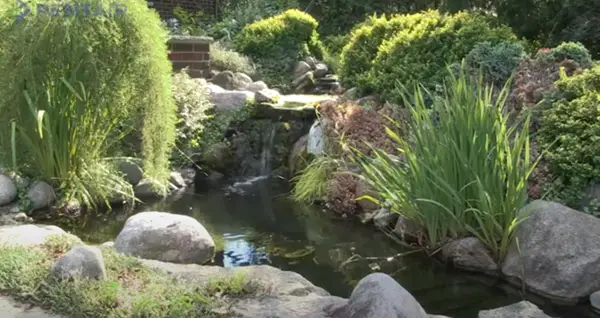
Fountain and Pond Maintenance: Small submersible pumps are commonly used in fountains, ponds, and water features to circulate and aerate the water. Proper water circulation helps prevent stagnation, reduces algae growth, and maintains water quality for aquatic life.
Construction and Industrial Applications: In construction sites, small submersible pumps are used for dewatering excavations, trenches, and building foundations. These pumps help remove accumulated groundwater or rainwater to create a safe and dry working environment.
Aquarium and Fish Tank Maintenance: Aquarium enthusiasts rely on small submersible pumps for filtration, water circulation, and aeration in fish tanks and aquariums. These pumps help maintain water quality, promote oxygenation, and create a healthy environment for aquatic life.
Emergency Water Removal: Small submersible pumps are valuable tools in emergency situations such as pipe leaks, appliance failures, or natural disasters. They can quickly remove standing water from affected areas, minimizing property damage and mitigating potential hazards.
Best Small Submersible Water Pumps for Fountains
Some people would call these tiny instead of small submersible water pumps because of their size. They are rated in Watts instead of horsepower. All of the pumps compared below are rated 4 star or higher.
PULACO 160 GPH Small Submersible Pump
Ultra‑quiet, adjustable flow, and ideal for tabletop fountains, aquariums, and small indoor water features. Includes silicone tubing and delivers reliable continuous operation.
- Flow Rate: 160 GPH
- Power: 6W
- Lift Height: Up to 4.3 ft
- Best For: Small fountains & aquariums
PULACO 95 GPH Mini Fountain Pump
Compact, quiet, and energy‑efficient. Perfect for small fountains, desk waterfalls, and nano water features.
- Flow Rate: 95 GPH
- Power: 5W
- Lift Height: 3 ft
- Best For: Tabletop fountains
DOMICA 90 GPH Mini Submersible Pump
Smooth, adjustable flow and excellent build quality. Great for decorative fountains and small indoor water features.
- Flow Rate: 90 GPH
- Power: 5W
- Lift Height: 3.2 ft
- Best For: Desk fountains & decor
Consider Power Sources:
Selecting the appropriate power source—be it electric, battery-powered, or solar—ensures seamless operation tailored to your environment and energy preferences.
In the realm of small submersible water pumps, there are several power sources available, each with its own advantages and considerations. Here’s a breakdown of the common power sources and guidance on choosing the best pump based on those sources:
Electric-Powered Pumps:
- Availability: Electric-powered pumps are widely available and commonly used for various applications, ranging from residential to industrial settings.
- How to Choose: When selecting an electric-powered pump, consider factors such as voltage requirements, power consumption, and the availability of electrical outlets. Choose a pump with a voltage compatible with your power supply and ensure that it meets the electrical safety standards for your region. Additionally, opt for a pump with energy-efficient features to minimize electricity usage and operating costs over time.
Best Battery-Powered Small Submersible Water Pumps Compared
- Availability: Battery-powered pumps offer portability and versatility, making them suitable for remote or off-grid applications where access to electricity may be limited.
- How to Choose: When choosing a battery-powered pump, consider factors such as battery type, capacity, and runtime. Opt for a pump with a reliable rechargeable battery that provides sufficient power for your intended use and consider investing in spare batteries for extended operation. Additionally, look for features such as low battery indicators and automatic shut-off functions to prevent over-discharge and prolong battery life.
| Model | Details | Buy |
|---|---|---|
| Poafamx 21V Cordless Submersible Pump Top Pick | Why it’s great: A powerhouse cordless pump delivering up to 1100 GPH with a rugged stainless steel body. Ideal for basements, pools, rain barrels, and emergency drainage. Specs: • 1100 GPH flow • 16 ft lift height • 21V rechargeable battery • Brushless copper motor | View on Amazon |
| ECO-FLO BSUP Battery Utility Pump Best Value | Why it’s great: Ultra‑compact and powered by simple D‑cell batteries, making it perfect for quick emergencies, appliance drainage, and small water transfers. Specs: • 138 GPH flow • Runs on 3× D batteries • Includes 42″ hose • Lightweight & portable | View on Amazon |
| VEVOR 20V Dewalt-Compatible Submersible Pump Premium Choice | Why it’s great: A high‑lift cordless pump that pairs with Dewalt 20V batteries. Excellent for ponds, gardens, deep pits, and long‑distance water movement. Specs: • 528 GPH flow • Massive 66 ft lift height • Dewalt 20V compatible • Rugged, debris‑tolerant design | View on Amazon |
Best Solar-Powered Small Submersible Water Pumps Compared
- Availability: Solar-powered pumps harness energy from sunlight, offering sustainable and eco-friendly water pumping solutions for outdoor applications.
- How to Choose: When selecting a solar-powered pump, consider factors such as solar panel wattage, sunlight exposure, and water pumping requirements. Choose a pump with a solar panel capable of generating enough power to meet your pumping needs, taking into account factors such as sunlight intensity and duration in your location. Additionally, consider pumps with built-in battery storage or backup options for continuous operation during periods of low sunlight.
| Model | Details | Buy |
|---|---|---|
| ECO-WORTHY 12V Solar Submersible Pump Kit Top Pick | Why it’s great: A complete solar pump kit with panel, controller, and a compact 12V submersible pump. Excellent efficiency for small ponds, garden features, and off‑grid water circulation. Specs: • Max Flow: 1.6 GPM • Max Lift: 230 ft • 12V DC pump • Includes solar panel + controller | View on Amazon |
| BACOENG 12V Solar Submersible Pump Best Value | Why it’s great: A budget‑friendly solar‑ready pump with surprisingly strong flow for its size. Ideal for ponds, aquaculture, and small water transfer setups. Specs: • Flow: 20 GPM • Max Lift: 20 ft • 120W 12V DC • Lightweight & corrosion‑resistant | View on Amazon |
| YIYIBYUS 12V 180W Solar Submersible Pump Premium Choice | Why it’s great: A compact stainless‑steel solar pump designed for small irrigation, livestock watering, and garden systems. Strong lift performance and durable build. Specs: • Flow: 1.2 m³/h • Max Head: 65 ft • 180W 12V DC • Stainless steel body | View on Amazon |
Prioritize Durability:
Opt for pumps designed to withstand submersion and handle debris without faltering. Durability is key to ensuring longevity and reliability. Investing in a durable pump upfront helps minimize maintenance costs, downtime, and the need for premature replacements, ultimately delivering greater value and peace of mind over the pump’s operational lifespan.
Here are some key features that make pumps durable:
Construction Materials: Pumps constructed with durable materials such as stainless steel, cast iron, or high-grade plastics are more resilient to corrosion, abrasion, and wear over time.
Stainless steel components, for example, offer excellent resistance to rust and corrosion, making them ideal for prolonged exposure to water and harsh environments.
Sealed Design: A sealed and watertight construction prevents water ingress into sensitive internal components, protecting against damage from moisture, debris, and contaminants. Sealed bearings, shaft seals, and motor housings ensure that critical parts remain protected, extending the pump’s lifespan and reliability.
Impact Resistance: Pumps designed to withstand impact and external forces are better equipped to handle accidental bumps, drops, or rough handling during installation and operation. Reinforced casings, shock-absorbing materials, and protective coatings help mitigate damage from impacts, ensuring continued functionality even in challenging conditions.
Overload Protection: Built-in overload protection mechanisms safeguard the pump motor from damage due to overheating or excessive current draw. Features such as thermal overload switches or circuit breakers automatically shut off the pump in case of overload conditions, preventing motor burnout and prolonging the pump’s operational life.
Debris Handling Capabilities: Pumps equipped with robust impellers and intake screens are capable of handling debris, solids, and other particulate matter without clogging or damage. An efficient debris handling system prevents blockages and reduces strain on the pump motor, enhancing overall durability and reliability in demanding applications.
The 1/3 HP Zoeller M53 sump pump is perfect for handling dirty water and 1/2 inch spherical objects.
Corrosion Resistance: Components exposed to water or harsh chemicals should be resistant to corrosion to maintain long-term performance. Corrosion-resistant coatings, epoxy seals, and specialized materials help protect vulnerable parts from degradation caused by exposure to corrosive substances, extending the pump’s service life in corrosive environments.
Quality Assurance and Warranty: Opting for pumps from reputable manufacturers with a track record of quality assurance and customer support ensures product reliability and peace of mind. Pumps backed by comprehensive warranties provide added assurance of durability and performance, with manufacturers standing behind their products’ quality and reliability.

Automatic vs. Manual Operation:
Homeowners may choose between automatic and manual operation of water pumps based on their specific needs, preferences, and the level of convenience they desire. Here’s why each option might be preferred:
Automatic Operation:
Convenience: Automatic water pumps feature built-in sensors or switches that detect water levels and activate the pump when needed, without requiring manual intervention. This convenience is particularly beneficial for homeowners who prefer a hands-off approach to water management, as the pump will automatically turn on and off as needed.
Flood Prevention: Automatic pumps equipped with float switches or sensors are ideal for basement flooding prevention. They can detect rising water levels and activate the pump to remove excess water before it causes damage, providing peace of mind to homeowners, especially in areas prone to flooding.
Continuous Operation: Automatic pumps can be set to operate continuously or intermittently based on preset parameters, ensuring consistent water management without the need for manual monitoring. This feature is advantageous for applications such as garden irrigation or maintaining water levels in ponds or reservoirs.
Manual Operation:
Control: Manual water pumps offer homeowners greater control over when and how the pump operates. With manual activation via a switch or control panel, homeowners can start and stop the pump as needed, allowing for more precise water management and customization of pumping cycles.
Energy Efficiency: Manual pumps consume energy only when activated by the homeowner, providing greater control over energy usage and potentially reducing electricity costs. By manually activating the pump only when necessary, homeowners can optimize energy efficiency and minimize unnecessary operation.
Versatility: Manual pumps are versatile and can be used in various applications where on-demand water transfer or drainage is required. Homeowners can easily adjust the pump’s operation based on changing needs or conditions, making manual pumps suitable for a wide range of residential water management tasks.
- Installation Matters: Following manufacturer guidelines for installation ensures optimal performance and safety. Proper installation sets the stage for efficient water transfer and minimizes potential issues down the line.
Applications of Small Submersible Water Pumps
Residential Use:
- Garden Irrigation: Small submersible water pumps simplify garden maintenance by automating watering tasks, offering convenience for homeowners seeking efficient irrigation solutions.
- Basement Flooding Prevention: Protecting your home from basement flooding becomes effortless with pumps that activate automatically, swiftly removing excess water to prevent costly water damage.
Industrial Use:
- Construction Sites: These pumps play a crucial role in maintaining dry and safe environments on construction sites, effectively managing water to enhance productivity and safety.
- Water Transfer in Manufacturing: Industries rely on these pumps for controlled water transfer, ensuring operational efficiency and preventing water-related disruptions in manufacturing processes.
Advantages of Small Submersible Water Pumps
Compact Size and Portability: Their compact design enables easy transportation and deployment wherever water transfer is needed, offering unparalleled convenience and versatility.
Energy Efficiency: Small submersible water pumps prioritize energy efficiency, providing cost-effective solutions without compromising performance, akin to the eco-friendly nature of hybrid cars.
Submersible Design: Built to withstand submersion, these pumps excel in underwater environments, maintaining reliability and performance even in challenging conditions.
Key Features to Consider
Pumping Capacity:
It’s essential to understand the diverse requirements for different applications and the corresponding horsepower (HP) motors needed.
When selecting a pump based on pumping capacity and HP motor size, it’s crucial to consider factors such as the volume of water to be moved, the distance it needs to be pumped, and any vertical lift requirements.
Additionally, assessing the specific needs of the application, such as continuous versus intermittent operation and any special considerations like debris handling or corrosion resistance, will help determine the most suitable pump and motor combination for optimal performance and efficiency.
Here’s a breakdown of the varying needs and the suitable HP motors for each scenario:
Best Small Submersible Water Pumps for Basements and Yards
- For typical residential basement drainage or yard flooding, a moderate HP motor should suffice. A 1/6 to 1/2 HP motor is usually adequate for handling moderate water volumes commonly encountered in these settings. These pumps are designed to efficiently remove water from basements, crawl spaces, or low-lying areas in yards.
| Model | Details | Buy |
|---|---|---|
| Wayne VIP30 1/3 HP Multi‑Use Utility Pump Top Pick | Why it’s great: A compact, reliable 1/3 HP pump with strong flow and excellent versatility. Ideal for basements, yard flooding, pool covers, and boats. Reinforced thermoplastic body ensures long‑term durability. Specs: • 1/3 HP motor • 2600 GPH flow • Fully submersible • Multi‑use drainage design | View on Amazon |
| Acquaer 1/6 HP Submersible Utility Pump Best Value | Why it’s great: Lightweight, affordable, and perfect for everyday homeowner tasks like basement puddles, pool covers, and yard drainage. Strong performance for a 1/6 HP motor. Specs: • 1/6 HP motor • 1750 GPH flow • Corrosion‑resistant thermoplastic • 10 ft power cord | View on Amazon |
| Fluentpower 1/2 HP Submersible Utility Pump Premium Choice | Why it’s great: The strongest pump on the list while still compact and easy to deploy. Excellent for yard flooding, basement water removal, and pool draining. High flow rate and multiple hose adapters included. Specs: • 1/2 HP motor • 3000–3500 GPH flow • Multi‑adapter outlet • Lightweight for its class | View on Amazon |
| Green Expert 1/4 HP Submersible Utility Pump | Why it’s great: A compact, efficient 1/4 HP pump with excellent flow for its size. Ideal for basements, yard puddles, pool covers, and general water removal. Lightweight design makes it easy to deploy quickly during emergencies. Specs: • 1/4 HP motor • ~1600–2000 GPH flow • Pumps to low levels • Durable thermoplastic housing • ASIN: B09NPL435J | View on Amazon |
| Green Expert 1/6 HP Submersible Utility Pump | Why it’s great: A reliable, compact 1/6 HP pump ideal for light basement flooding, yard puddles, spas, and window wells. Strong flow for its size and excellent build quality. Specs: • 1/6 HP motor • ~1600–1800 GPH flow • Thermoplastic corrosion‑resistant body • ASIN: B0B6Q7ZQ9H | View on Amazon |
Gardens and French Drains:
- Gardens and French drains often require pumps with lower horsepower, as they deal with relatively small water volumes. A 1/4 HP motor is generally suitable for irrigating gardens or draining excess water from French drain systems. These pumps offer sufficient power to move water efficiently without excessive energy consumption.
Building Construction Sites:
- Construction sites may encounter significant water accumulation, especially during excavation or foundation work. Therefore, more robust pumps with higher HP motors are necessary to handle larger volumes of water effectively. For construction site dewatering, HP motors ranging from 1/2 to 1 HP or higher may be required, depending on the scale of the project and the intensity of water ingress.
Pools and Ponds:
When it comes to draining excess water from pools or ponds, maintaining them, draining pool covers, or transferring water between these aquatic features, the choice of pump is crucial for efficient water management.
Draining Excess Water from Pools:
For quickly removing excess water from pools, a pump with sufficient horsepower (HP) is essential to expedite the process. Opt for a pump with a 1/3 to 1 HP motor, capable of handling the significant volumes typically encountered in pool drainage tasks. These pumps ensure rapid water removal to prevent flooding and maintain optimal water levels.
Best Small Submersible Water Pumps for Draining Pools
| Model | Details | Buy |
|---|---|---|
| FLUENTPOWER 1/2 HP 2500 GPH Submersible Utility Pump Top Pick | Why it’s great: A compact but powerful 1/3 HP pump that moves up to 2500 GPH, making it ideal for draining above‑ground and in‑ground pools. Corrosion‑resistant thermoplastic body and multiple outlet sizes make it versatile and reliable. Specs: • 1/3 HP motor • 2500 GPH flow • 1‑1/4″ NPT & 3/4″ GHT outlets • Overheat protection | View on Amazon |
| AgiiMan 1/2 HP 2500 GPH Submersible Pump Best Value | Why it’s great: A strong 1/2 HP pump with a long 25 ft power cord, perfect for reaching the center of pools. Moves water quickly and works well for pools, hot tubs, pool covers, and basements. Specs: • 1/2 HP motor • 2200 GPH flow • 25 ft power cord • Multi‑purpose drainage design | View on Amazon |
| SHANGDA 1.2 HP 4500 GPH Submersible Pump Premium Choice | Why it’s great: A high‑flow 1.2 HP pump that moves up to 4500 GPH, making it ideal for draining large pools quickly. Handles debris up to 1/5 inch and removes water down to 1/5 inch. Specs: • 1.2 HP motor • 4500 GPH flow • Pumps down to 1/10″ • Includes multiple hose adapters | View on Amazon |
Pool Maintenance:
To facilitate routine pool maintenance tasks such as cleaning, filtering, or emptying the pool for repairs, a reliable pump with moderate horsepower is necessary. A motor in the range of 1/2 to 1 HP is suitable for efficiently circulating water through filtration systems or draining the pool as needed. Look for pumps designed specifically for pool maintenance to ensure compatibility with existing equipment and systems.
Draining Pool Covers:
When removing accumulated water from pool covers, a smaller, more portable pump with lower HP can suffice. Opt for a pump with a 1/4 to 1/3 HP motor, offering sufficient power to effectively drain water from pool covers without overwhelming force. These pumps are lightweight, easy to maneuver, and equipped with features to handle relatively shallow water depths commonly found on pool covers.
Best Small Submersible Water Pumps for Pool Covers
| Model | Details | Buy |
|---|---|---|
| Acquaer 1/4 HP Automatic Pool Cover Pump Top Pick | Why it’s great: A powerful and reliable 1/4 HP automatic pool‑cover pump with a built‑in sensor that activates only when water is present. Excellent for winter covers, heavy rain, and preventing sagging. Specs: • 1/4 HP motor • 2250 GPH flow • Automatic on/off sensor • 25 ft power cord • Includes 3/4″ check‑valve adapter | View on Amazon |
| Cleartide Smart Automatic Pool Cover Pump – 1/4 HP, 2160 GPH Best Value | Why it’s great: A smart‑sensing 1/4 HP pump designed specifically for pool‑cover water removal. Automatically turns on when water is detected and shuts off when the cover is clear. Strong 2160 GPH flow makes it ideal for rain, snowmelt, and seasonal maintenance. Specs: • 1/4 HP motor • 2160 GPH flow • Smart automatic sensor • Includes hose adapters | View on Amazon |
| Little Giant APCP-1700 1/3 HP Pool Cover Pump Premium Choice | Why it’s great: A durable, purpose‑built 1/3 HP pool‑cover pump engineered for fast water removal. Compact, long‑lasting, and highly reliable — ideal for winter covers, heavy rainfall, and preventing sagging or structural stress. Specs: • 1/3 HP motor • 1745 GPH flow • Designed specifically for pool covers • Lightweight & easy to deploy | View on Amazon |
Draining or Transferring Water from Ponds:
For draining ponds or transferring water between ponds, a versatile pump with adequate pumping capacity is essential. Choose a pump with a 1/2 to 1 HP motor, capable of handling the varying water volumes typically encountered in pond-related tasks. These pumps provide reliable performance for draining stagnant water, aerating ponds, or transferring water to irrigation systems or other water features.
Aquariums:
- Aquariums demand pumps with precise flow control and low HP motors to avoid disturbing aquatic life. For aquariums, HP motors typically range from 1/10 to 1/4 HP, depending on the tank size and the specific requirements of the aquatic ecosystem. These pumps provide gentle water movement and reliable filtration without causing undue stress to fish or other aquatic organisms.
Best Aquarium Small Submersible Water Pumps Compared
| Model | Specs | Why We Like It | Amazon Link |
|---|---|---|---|
Top Pick VIVOSUN 800 GPH Submersible Pump | • 800 GPH • 24W • 10 ft lift height • Multi‑nozzle kit | The VIVOSUN 800 GPH pump delivers powerful, ultra‑quiet performance ideal for medium to large aquariums, hydroponic systems, and water features. Its energy‑efficient motor and adjustable nozzles make it one of the most versatile and reliable submersible pumps on Amazon. A top choice for hobbyists who want strong flow without added noise. | View on Amazon |
Best Value 90 GPH Mini Submersible Pump (5W) | • 90 GPH • 5W • Adjustable flow • Ultra‑compact | This 90 GPH mini pump is perfect for nano aquariums, tabletop fountains, and small water features. Its compact footprint and whisper‑quiet motor make it ideal for tight spaces where noise control matters. A budget‑friendly option that still delivers smooth, consistent water movement. | View on Amazon |
Premium Choice GROWNEER 550 GPH Submersible Pump | • 550 GPH • 30W • 7.2 ft lift • 3 nozzle sizes | The GROWNEER 550 GPH pump offers a strong balance of power, quiet operation, and durability. Its multi‑nozzle design and high lift height make it ideal for aquariums, ponds, and hydroponic setups. A premium‑grade pump built for long‑term reliability and smooth, vibration‑free performance. | View on Amazon |
| PULACO 95 GPH Mini Submersible Pump | • 95 GPH • 5W • Adjustable flow • Quiet nano pump | The PULACO 95 GPH pump is a favorite for betta tanks, nano aquariums, and small fountains. Its quiet motor and adjustable flow make it ideal for delicate aquatic environments where gentle circulation is essential. A compact, dependable pump for small setups. | View on Amazon |
| DOMICA 90 GPH Mini Submersible Pump | • 90 GPH • 5W • Adjustable flow • Compact design | The DOMICA 90 GPH pump is a reliable, quiet option for small aquariums and decorative fountains. Its efficient motor and compact body make it easy to hide while still providing steady, consistent water movement. A solid choice for small‑scale aquatic systems. | View on Amazon |
Key Features to Consider
Durability and Materials:
Opting for durable materials such as stainless steel or robust plastics enhances the pump’s lifespan and resilience against environmental factors and debris.
It’s crucial to highlight the features that contribute to the overall durability and longevity of small submersible water pumps. Here are some key features that make pumps durable:
- Construction Materials: Pumps constructed with durable materials such as stainless steel, cast iron, or high-grade plastics are more resilient to corrosion, abrasion, and wear over time.
Stainless steel components, for example, offer excellent resistance to rust and corrosion, making them ideal for prolonged exposure to water and harsh environments.
- Sealed Design: A sealed and watertight construction prevents water ingress into sensitive internal components, protecting against damage from moisture, debris, and contaminants.
Sealed bearings, shaft seals, and motor housings ensure that critical parts remain protected, extending the pump’s lifespan and reliability.
- Impact Resistance: Pumps designed to withstand impact and external forces are better equipped to handle accidental bumps, drops, or rough handling during installation and operation.
Reinforced casings, shock-absorbing materials, and protective coatings help mitigate damage from impacts, ensuring continued functionality even in challenging conditions.
- Overload Protection: Built-in overload protection mechanisms safeguard the pump motor from damage due to overheating or excessive current draw.
Features such as thermal overload switches or circuit breakers automatically shut off the pump in case of overload conditions, preventing motor burnout and prolonging the pump’s operational life.
- Debris Handling Capabilities: Pumps equipped with robust impellers and intake screens are capable of handling debris, solids, and other particulate matter without clogging or damage.
An efficient debris handling system prevents blockages and reduces strain on the pump motor, enhancing overall durability and reliability in demanding applications.
- Corrosion Resistance: Components exposed to water or harsh chemicals should be resistant to corrosion to maintain long-term performance.
Corrosion-resistant coatings, epoxy seals, and specialized materials help protect vulnerable parts from degradation caused by exposure to corrosive substances, extending the pump’s service life in corrosive environments.
- Quality Assurance and Warranty: Opting for pumps from reputable manufacturers with a track record of quality assurance and customer support ensures product reliability and peace of mind.
Pumps backed by comprehensive warranties provide added assurance of durability and performance, with manufacturers standing behind their products’ quality and reliability.
By prioritizing these durability-enhancing features when selecting a small submersible water pump, users can ensure long-lasting performance and reliability in various applications, from residential water transfer to industrial dewatering.
Investing in a durable pump upfront helps minimize maintenance costs, downtime, and the need for premature replacements, ultimately delivering greater value and peace of mind over the pump’s operational lifespan.
Automatic vs. Manual Operation:
Homeowners may choose between automatic and manual operation of water pumps based on their specific needs, preferences, and the level of convenience they desire. Here’s why each option might be preferred:
Automatic Operation:
- Convenience: Automatic water pumps feature built-in sensors or switches that detect water levels and activate the pump when needed, without requiring manual intervention.
This convenience is particularly beneficial for homeowners who prefer a hands-off approach to water management, as the pump will automatically turn on and off as needed.
- Flood Prevention: Automatic pumps equipped with float switches or sensors are ideal for basement flooding prevention.
They can detect rising water levels and activate the pump to remove excess water before it causes damage, providing peace of mind to homeowners, especially in areas prone to flooding.
- Continuous Operation: Automatic pumps can be set to operate continuously or intermittently based on preset parameters, ensuring consistent water management without the need for manual monitoring.
This feature is advantageous for applications such as garden irrigation or maintaining water levels in ponds or reservoirs.
Manual Operation:
- Control: Manual water pumps offer homeowners greater control over when and how the pump operates. With manual activation via a switch or control panel, homeowners can start and stop the pump as needed, allowing for more precise water management and customization of pumping cycles.
- Energy Efficiency: Manual pumps consume energy only when activated by the homeowner, providing greater control over energy usage and potentially reducing electricity costs.
By manually activating the pump only when necessary, homeowners can optimize energy efficiency and minimize unnecessary operation.
- Versatility: Manual pumps are versatile and can be used in various applications where on-demand water transfer or drainage is required.
Homeowners can easily adjust the pump’s operation based on changing needs or conditions, making manual pumps suitable for a wide range of residential water management tasks.
Installation and Maintenance Tips
Proper Installation Guidelines: Adhering to manufacturer instructions during installation is crucial for maximizing pump efficiency and safety, laying the foundation for reliable long-term performance.
Regular Maintenance: Routine maintenance, including inspections and cleaning, preserves pump health and ensures consistent performance, akin to providing essential care for prolonged longevity.
Troubleshooting Common Issues: Familiarizing yourself with common pump issues and their solutions enables prompt troubleshooting, preventing potential breakdowns and disruptions in water transfer operations.
Future Trends of Small Submersible Water Pumps
Consumers have no controll over what and when new innovations in small submersible water pumps will be available for purchase. However, you should know what is currently available and how it will benefit you.
Innovations in Technology:
Integration with Smart Home Systems: Embrace the integration of pumps with smart home systems, offering seamless control and monitoring capabilities via smartphones or other connected devices, revolutionizing water management convenience.
Here are some examples of innovations in technology within the small submersible water pump industry:
- Efficiency Enhancements: Ongoing advancements in pump design and engineering focus on improving overall efficiency, reducing energy consumption, and maximizing performance. This includes innovations in impeller design, motor efficiency, and hydraulic optimization, resulting in pumps that can achieve higher flow rates while consuming less power.
- Advanced Materials: Manufacturers are increasingly utilizing advanced materials such as carbon fiber composites, ceramics, and high-performance plastics in pump construction. These materials offer superior durability, corrosion resistance, and lightweight properties compared to traditional materials like stainless steel or cast iron.
Such advancements contribute to longer pump lifespans and reduced maintenance requirements, especially in harsh operating environments.
- Smart Pump Technology: Integration of smart technology into small submersible water pumps allows for remote monitoring, control, and diagnostics. Smart pumps can communicate real-time data on performance metrics such as flow rate, pressure, and temperature, enabling predictive maintenance and troubleshooting.
Additionally, smart features like variable speed control and adaptive pumping algorithms optimize energy usage and system efficiency.
- Wireless Connectivity: Many modern small submersible water pumps now come equipped with wireless connectivity options, enabling seamless integration with centralized control systems or IoT (Internet of Things) platforms. Wireless communication protocols such as Wi-Fi, Bluetooth, or Zigbee facilitate remote operation and monitoring via smartphones, tablets, or computers, providing users with greater flexibility and convenience in managing pump systems.
- Energy Harvesting Technologies: In line with the growing focus on sustainability, some small submersible water pumps incorporate energy harvesting technologies such as solar panels or kinetic energy recovery systems.
Solar-powered pumps harness energy from sunlight to power pump operations, offering eco-friendly and cost-effective solutions for off-grid or remote applications.
Similarly, kinetic energy recovery systems utilize the motion or vibration of water sources to generate electrical power, further enhancing pump efficiency and reducing reliance on external power sources.
These examples demonstrate how innovations in technology are driving advancements in small submersible water pump design, functionality, and sustainability, ultimately benefiting users with improved performance, reliability, and ease of operation.
Conclusion
In the realm of water management, small submersible water pumps emerge as indispensable allies—compact, robust, and ever-ready for action. From safeguarding homes against floods to facilitating seamless industrial operations, these pumps stand as the backbone of efficient water transfer.
With ongoing technological advancements, the future promises even greater innovations, ensuring that small submersible water pumps continue to meet evolving needs and exceed expectations.
Whether you’re a homeowner seeking peace of mind or an industry professional striving for operational excellence, the world of small submersible water pumps remains steadfast in its commitment to keeping the water flowing smoothly.

Author at Best Sump Pumps
The first time I helped to install a drain tile and basement sump pump system was 1978.
Since then I have worked for a city water utility where I worked with and maintained pumps.
My rental properties and personal homes all needed sump pumps.
As a modular home dealer/builder, those new homes needed sump pumps.
I put that experience to good use by providing reliable, useful, and practical advice on buying, using, and maintaining sump pumps.